
“If I have ever seen magic, it has been in Africa.” – John Hemingway.
No place on earth is quite as magical as Africa, and at its very heart lies Kenya, the cradle of mankind. In 1984, the researcher, Dr. Richard Leakey, and his team discovered the skeleton of the Turkana Boy, a young homo-erectus male who lived about 1.6 million years ago, near Lake Turkana. It was the first, almost complete skeleton of a hominid that offered a glimpse into the body structure, growth, and movement of early humans.
Turkana Boy showed that our ancestors were already walking upright, tall, and adapted for long-distance travel: key traits that would later enable humans to migrate beyond Africa. And today, that same land offers one of the most extraordinary wildlife experiences on earth.
It comes as no surprise, then, that visitors from all over the world hope to visit Kenya, the origin of humanity. Here at Kendirita, we’ve successfully helped our travelers navigate their first safari to Kenya. Below, we share some helpful tips to help you along the way.
When to Visit and What to Expect
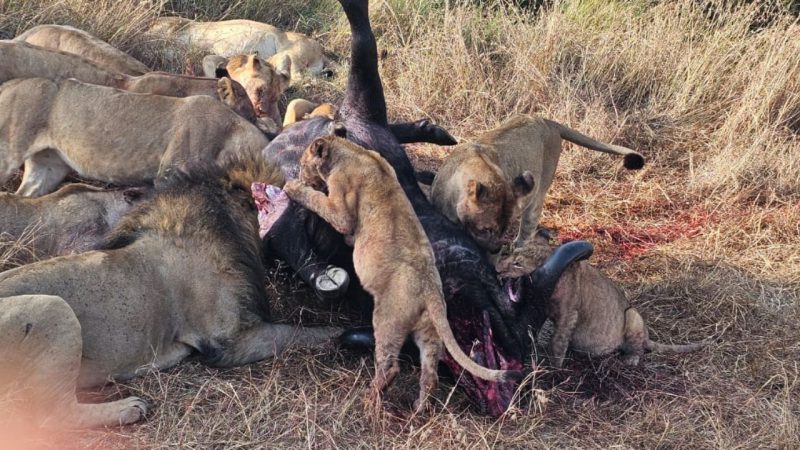
Kenya is a year-round safari destination, but each season tells a different story. The dry months, from January to March and again from July to October, are often considered the best for wildlife viewing. Vegetation is thinner, water sources are fewer, and animals tend to gather in predictable places, making sightings more frequent and dramatic.
Between July and October, the Great Migrationreaches the Maasai Mara, bringing with it one of the most powerful wildlife spectacles on earth. River crossings, vast herds, and the constant presence of predators combine to create a thrilling safari experience. It is also the busiest time of the year, and planning well in advance becomes essential.
The green seasons, particularly from April to June, are quieter and more laid back. There may be rain, but it rarely lingers all day. For travelers who value vast spaces, photography, and flexible pricing, this period is perfect for you.
Where to Go
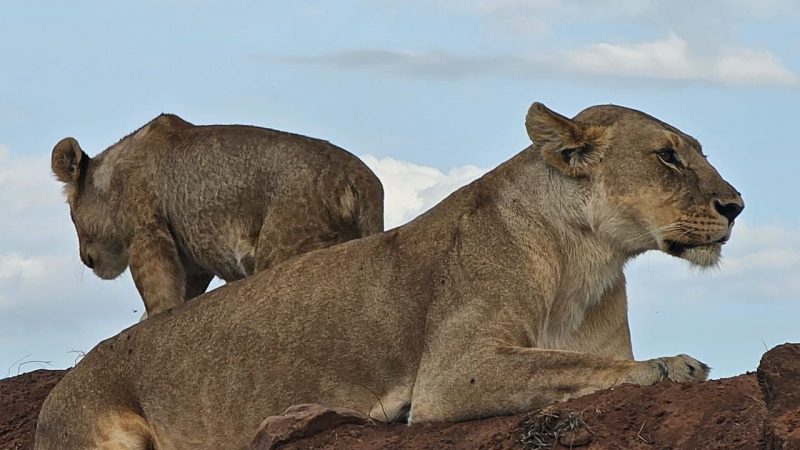
The Masai Mara National Reserve remains iconic and should be on your itinerary as a first-time visitor. You can expect sightings of the big five andthe Migration. But Kenya offers more destinations of note to choose from:
- Amboseli National Park offers a striking contrast, where large herds of elephants move across dusty plains beneath a gorgeous backdrop of Mount Kilimanjaro, creating some of the most iconic wildlife photo-ops.
- In the Kenyan north, Samburu National Reserve feels more remote and less crowded, with rugged beauty and unique wildlife species not found elsewhere. Samburu is also increasingly becoming the destination of choice for astro-tourism and travelers seeking slow travel.
- Lake Nakuru National Park provides a more compact safari experience, particularly known for its flamingos, in large flocks that, when seen from a distance, paint the lake in hues of pink.
Letting the Experience Unfold
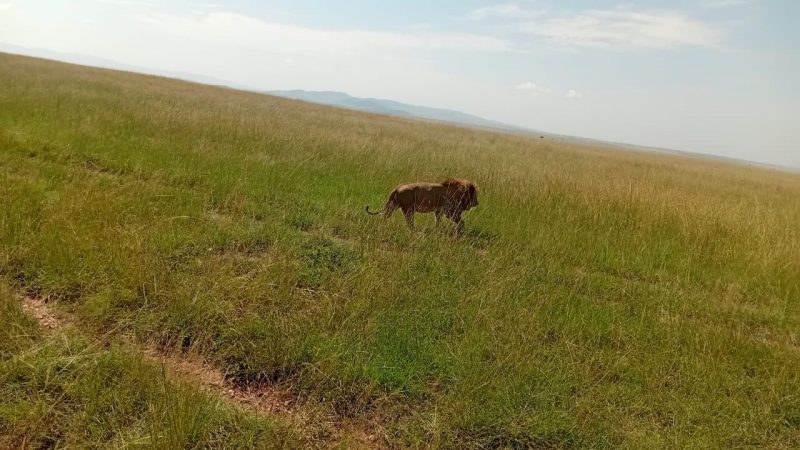
A typical safari day begins early, often before sunrise, when the air is crisp, and the wildlife is most active. Midday invites rest, a pause that allows you to absorb the experience, while evenings bring sunsets and a quieter, more reflective mood across the savannah.
Notably, there is a practical side to planning a safari that cannot be overlooked. Park fees, transport logistics, accommodation availability, and seasonal demand all require careful coordination. This is where working with an experienced travel partner like Kendirita Tours becomes invaluable.
Our goal is to organize a safari that allows you to arrive ready to truly engage with Kenya. Once you reach out to us, we take over all the planning and logistics so you can relax and concentrate on what truly matters: your first safari to the home of humanity.