
“The stars are the landmarks of the universe.” – Sir John Frederick William Herschel, British astronomer and polymath.
In today’s fast-paced world, there is something quietly powerful about standing beneath a starry night sky. Away from screens and the buzz of cities, stargazing creates space for stillness and reflection. This is the essence of astro tourism: a growing global travel trend that now invites travelers to reconnect with the universe by simply looking up.
Astro tourism focuses on destinations with clear, dark skies and minimal light pollution. It is a type of travel that allows the night sky to become part of the journey, much like going on a game drive or catching the rainbow.
What Defines an Astro Tourism Experience
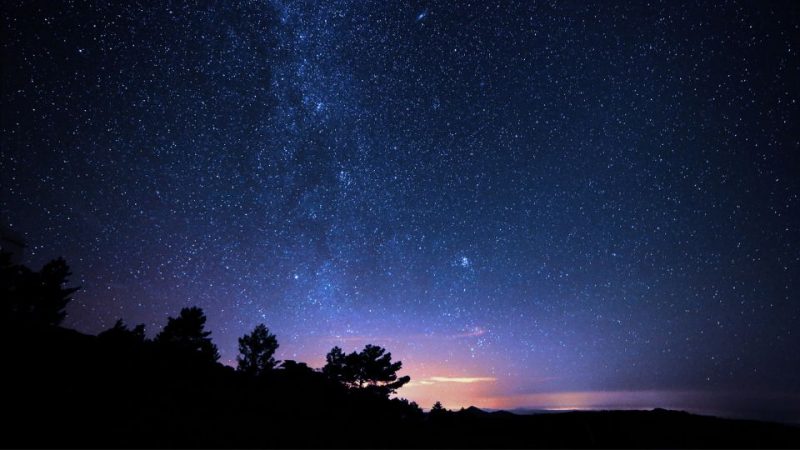
At its heart, astro tourism is shaped by places where the night sky reveals itself in full clarity. These destinations are often remote, carefully protected, and intentionally low-impact on the environment. A typical astro tourism experience may include:
- Stargazing in areas free from artificial light, where the Milky Way is visible to the naked eye
- Guided night-sky interpretation led by astronomers or knowledgeable local guides
- Opportunities to witness celestial events such as meteor showers, eclipses, or planetary alignments
- Astrophotography experiences that pair dramatic landscapes with long-exposure night skies
In many parts of the world, these experiences are also enriched by cultural narratives; ancient stories and indigenous knowledge systems that have long used the stars for navigation, agriculture, and seasonal guidance.
Why Astro Tourism Is Gaining Global Momentum
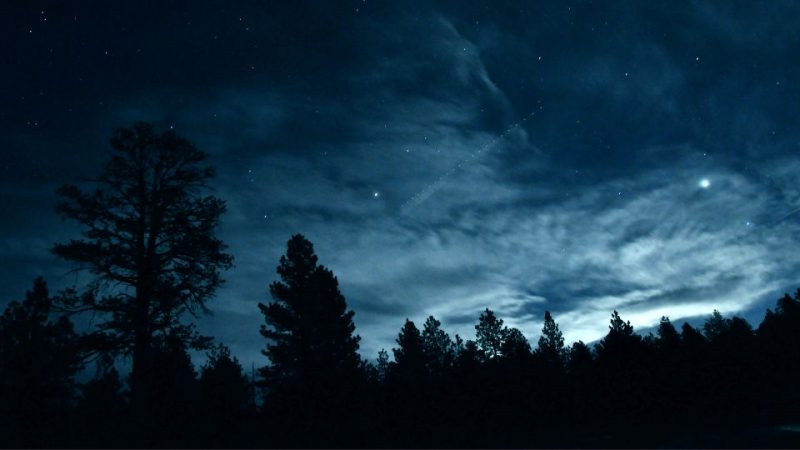
The current rise of astro tourism reflects a broader shift in traveler priorities. Today’s global traveler is seeking intentional experiences rather than speed and excess. Several factors are driving this renewed interest in the night sky:
- Increasing urbanization and light pollution, making dark skies a rare and valued resource
- A growing focus on wellness travel, where stillness and reflection are key for overall physical and mental well-being.
- Greater awareness of sustainable travel practices and low-impact experiences
A Global Experience with Local Depth
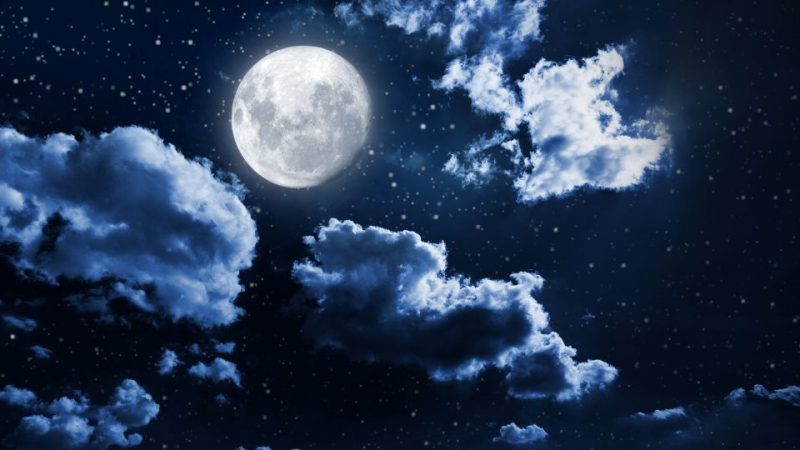
Across the world, astro tourism is both about clear skies and celestial events, as well as how communities have long understood and related to the heavens. Among the Maasai of East Africa, the night sky has traditionally been observed as a source of guidance. Stars and lunar cycles were closely watched to understand seasonal change, support movement across the land, and maintain balance between people, livestock, and nature.
Central to this relationship is Enkai, the creator, who is believed to reside both in the sky and on earth. Rain, order, and continuity are understood as expressions of Enkai’s presence, making the skies a place of reassurance and meaning.
Beyond East Africa, astro tourism experiences are thriving worldwide:
- Atacama Desert, Chile: One of the clearest skies on Earth, perfect for Milky Way observation.
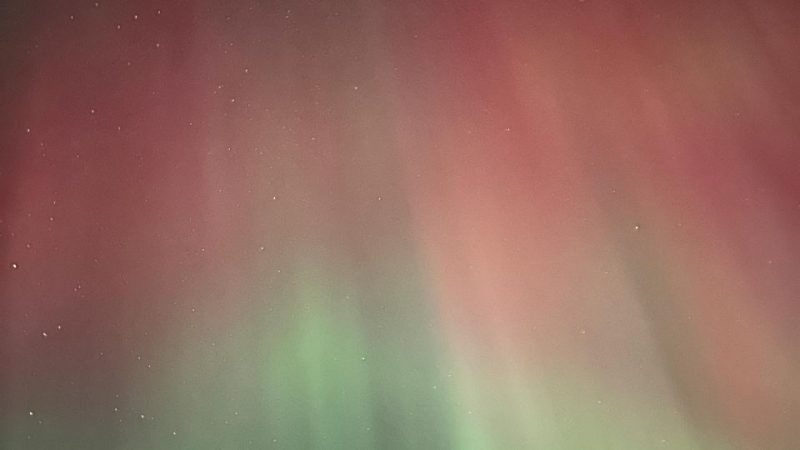
- Iceland and Norway: Witness the Northern Lights in a magical, otherworldly display.
- New Zealand and Australia: Remote landscapes paired with uninterrupted stargazing opportunities.
- Gobi Desert, Mongolia: Known for its isolated and untouched dark skies.
What Travelers Can Expect
Astro tourism journeys are a form of slow travel, where evenings revolve around the sky, free from artificial distractions, and days invite rest and reflection.
At Kendirita Tours, a leading tour company in Nairobi, we bring this vision to life by pairing safaris in the Masai Mara and Samburu National Reserveswith an unforgettable stargazing experience around a crackling fire. And we take you to the rest of the world, too.
Book your astro-tourism adventure with us today and experience travel that seems to slow down time and connect you to the universe.
Writer: Winnie Wekesa