
On a rainy Nairobi night, Tuesday, 28th April 2026, Kenya’s Cabinet Secretary for Tourism and Wildlife, Rebecca Miano, stood alongside other senior government officials, waiting to receive very special guests. And at exactly 9:17 PM, an Air France–KLM Cargo flight touched down at the JKIA. Onboard: adorable dignitaries-four rare male mountain bongos returning home to Kenya from zoos in the Czech Republic.
This arrival marked the second mountain bongo repatriation to Kenya in just over a year, following the return of 17 mountain bongos from Florida, USA, in February 2025. The Tuesday night arrival was a carefully coordinated effort between the Kenya Wildlife Service (KWS) and the European Association of Zoos and Aquaria (EAZA).
What this Return Means for Conservation
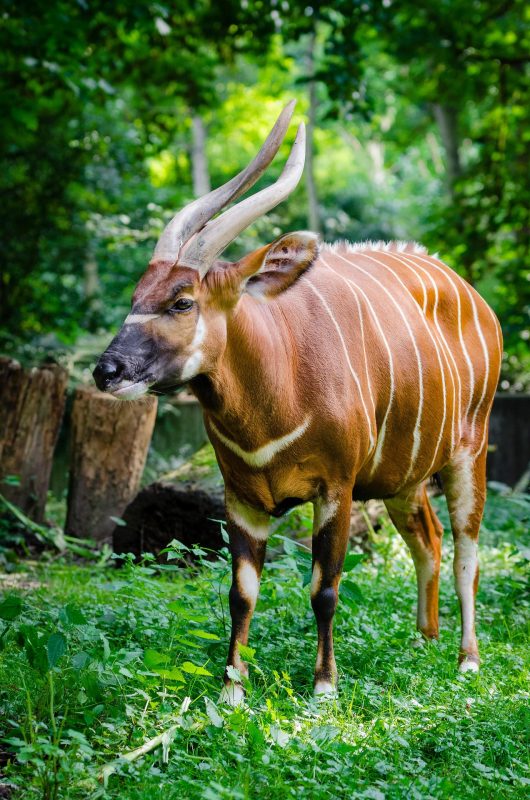
At first glance, just four animals may seem like a small number, but in conservation, they tell a different tale. Today, only about 67 mountain bongos are believed to remain in the wild, a devastating decline from nearly 500 in the 1970s.
The four males are expected to significantly strengthen the genetic diversity of the existing population at Mount Kenya Wildlife Conservancy, which already hosts over 100 bongos under a managed breeding and rewilding program.
Their addition is crucial because small populations often face the silent threat of inbreeding. Without new genetic lines, even a growing population can become fragile.
The Critical Role of Aviation
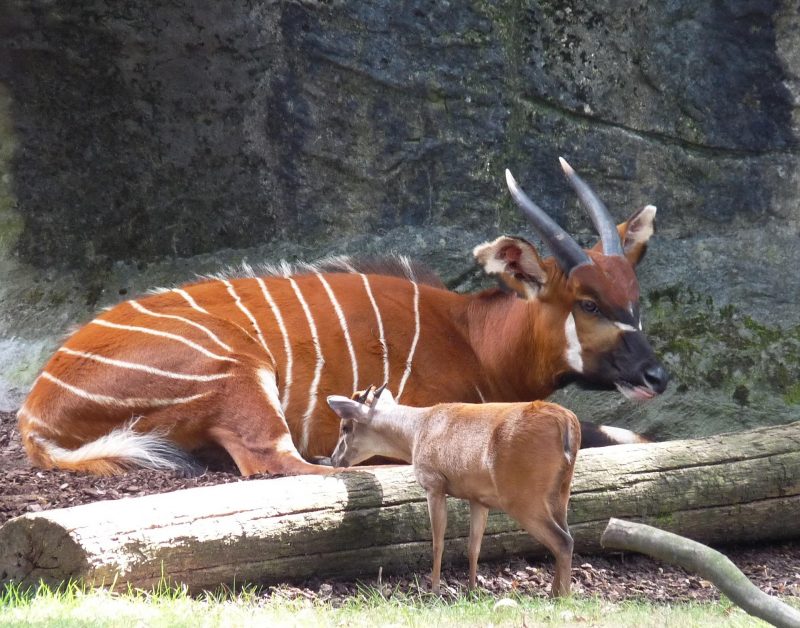
Transporting endangered wildlife across continents is not ordinary cargo movement. It is a highly specialized operation. Unlike conventional freight, live animal transportation involves living, breathing cargo that is sensitive to stress, temperature changes, noise, delays, and environmental disruptions.
This is where the role of aviation becomes indispensable. By air, what would’ve otherwise taken weeks by sea and road was completed within hours, significantly reducing stress and health risks for the bongos.
In many ways, aviation serves as the invisible bridge connecting global conservation efforts. It enables countries, institutions, and conservation programs to move vulnerable species safely across borders.
Without aviation, the return of these rare mountain bongos to Kenya over a distance of over 8000 kilometers would have been far more difficult, riskier, and perhaps even impossible.
The Journey Ahead
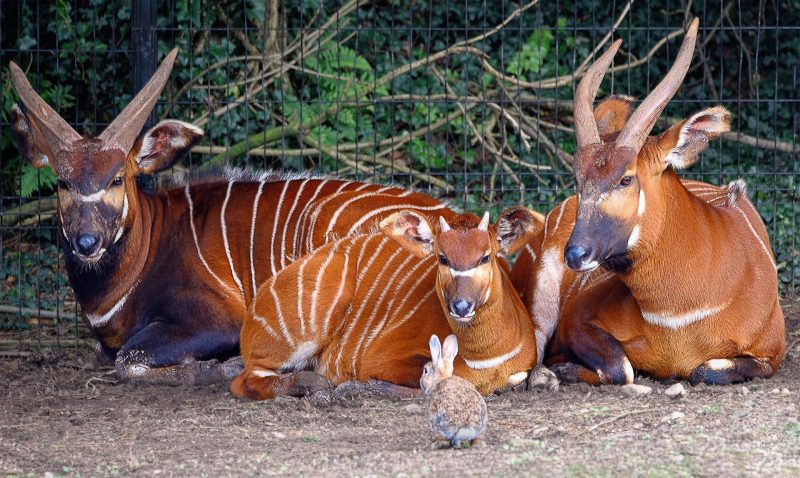
Conservation, at its core, is an exercise in patience.
Kenya’s National Mountain Bongo Recovery Plan is not focused on immediate visibility, but on long-term survival. The government, through the KWS, has set an ambitious goal to restore a sustainable wild population of hundreds, potentially up to 750, by 2075.
Before these animals ever step fully into the wild, they will undergo a gradual process of acclimatization: learning, adapting, and rebuilding instincts that years in captivity may have softened. Only then will the forests receive them again.
A Hopeful Future
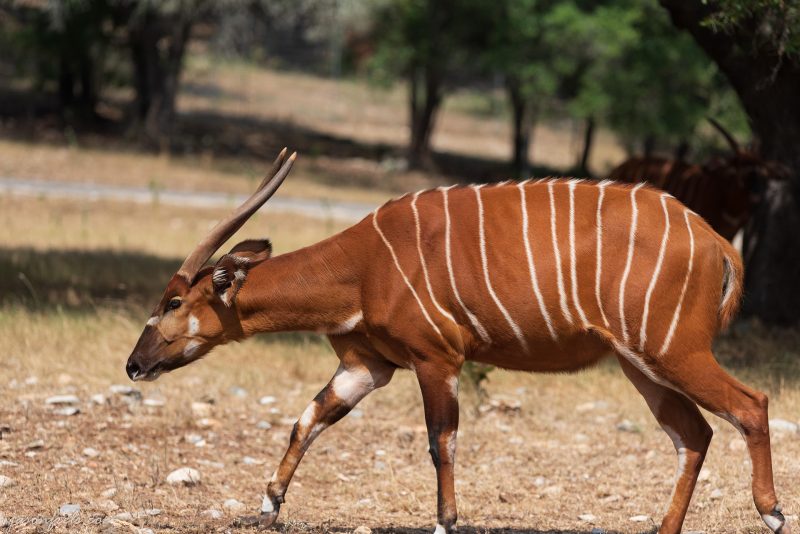
The emotional return home of the four animals is compelling because of what it represents.
The mountain bongos are part of a larger ecosystem that protects Kenya’s water towers, supports biodiversity, and sustains livelihoods. Saving them from extinction is a commitment to preserving an entire natural system. And in a world where loss often feels permanent, the return of even four animals reminds us of what is possible when we all work together.
At Kendirita Tours, we believe that travel and environmental sustainability should go hand in hand. We are honored to be associated with such a remarkable feat of conservation and look forward to taking you deeper into the wild. We hope you’ll get to witness the mountain bongos thriving once again in Kenya’s forests, the home of their ancestors.
Writer: Winnie Wekesa