
~A Love Letter to Africa~
The Nairobi Gallery seems to hide in plain sight, which is rather strange for a building whose legacy stretches back more than a century. Built in 1913, it originally served as the registrar of births, marriages, and deaths. It remains a notable example of colonial-era architecture.
After independence, the building was repurposed to host the Provincial Commissioner’s (PC) office until 1977, when it was handed over to the National Museums of Kenya for preservation. It finally opened its doors to the public in November 2005. Today, it hosts the Joseph Murumbi Collections of African Art, a love letter to Africa.
Intrigued by its history, our team at Kendirita Tours visited the gallery and discovered its mystery firsthand.
Point Zero: The Building at the Centre
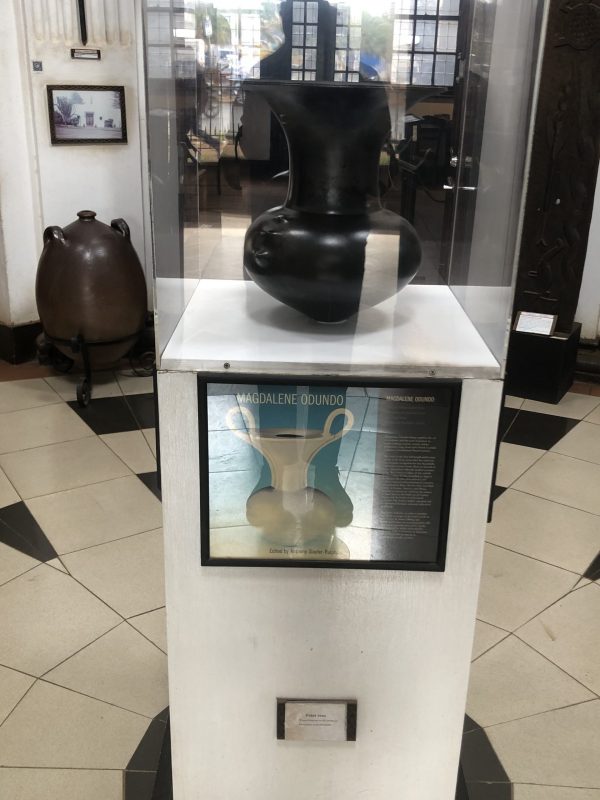
Inside the circular walls of the Nairobi Gallery lies a small, easy-to-miss marker known as Point Zero. This is the geographic reference point from which all distances in Kenya are measured.
Nairobi itself grew from a railway depot, a stopping point along the Mombasa-Uganda Railway in 1899. As the city developed into the capital, this building became symbolically central. For our travellers, especially those exploring Kenya by road, when you begin a safari toward the Maasai Mara or Samburu, your physical journey, in measurable terms, starts here. And there is something poetic about standing at the beginnings of things.
Point Zero represents origin and orientation. And for us at Kendirita, a travel company based in Nairobi, that symbolism matters. It allows us to design journeys that feel cohesive, beginning at the literal heart of the country before expanding outward into its vastness.
A Legacy of Artistic Excellence: The Murumbi Collection
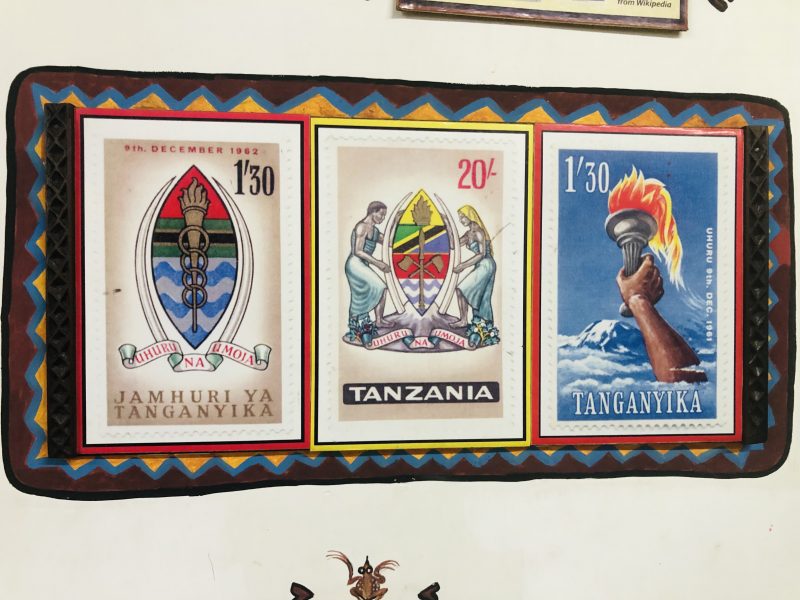
Joseph Murumbi was Kenya’s second Vice President, who served briefly in 1966 under President Jomo Kenyatta. But beyond politics, he was a passionate Pan-Africanist, a supporter of freedom, and one of Africa’s most significant private art collectors. At a time when much of Africa’s cultural heritage was undervalued or exported, Murumbi quietly and deliberately collected.
Together with his wife, Sheila, he amassed thousands of rare books, manuscripts, photographs, textiles, postage stamps, and artefacts from across Africa and the Caribbean. And if he was the visible public figure, Sheila was the meticulous archivist and guardian of the collection.
In the 1980s, recognizing the importance of safeguarding the collection for future generations, the Murumbis began transferring much of it to the Kenyan people. Their holdings were eventually entrusted to the National Museums of Kenya. The Nairobi Gallery today houses part of this remarkable legacy.
Why This Matters to Our Travellers
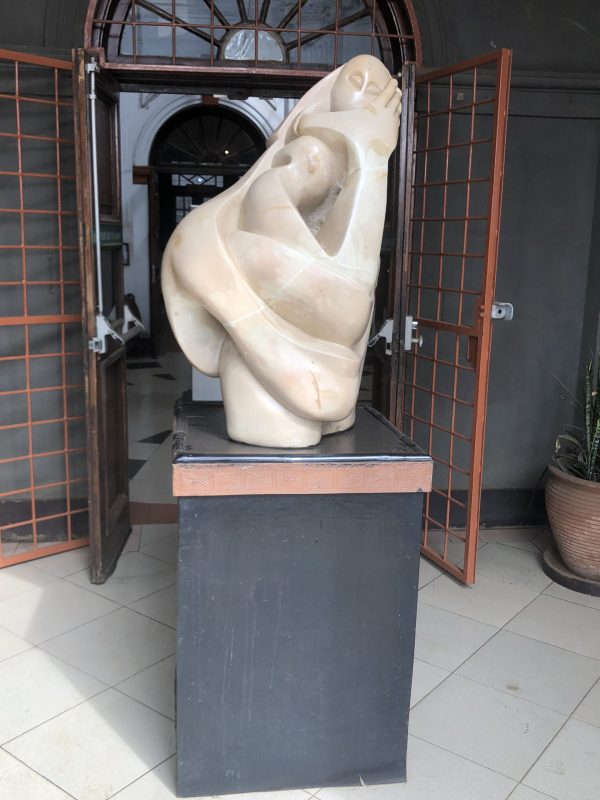
The Murumbis understood something powerful: political freedom without cultural preservation is incomplete. In many ways, the Nairobi Gallery is a testament to two individuals who believed that Africa’s artistic voice deserved permanence.
And so, as we curate journeys that move outward from Point Zero, the Murumbi legacy reminds us that to travel into history and into art is equally essential. We arrived curious, open, perhaps even uncertain. But we left educated, challenged, and changed. It is an experience we wish on our travellers: to begin somewhere meaningful, where Africa’s memory is safeguarded.
Writer: Winnie Wekesa